
Patient – Can you please explain about Dengue Fever, Dr.?
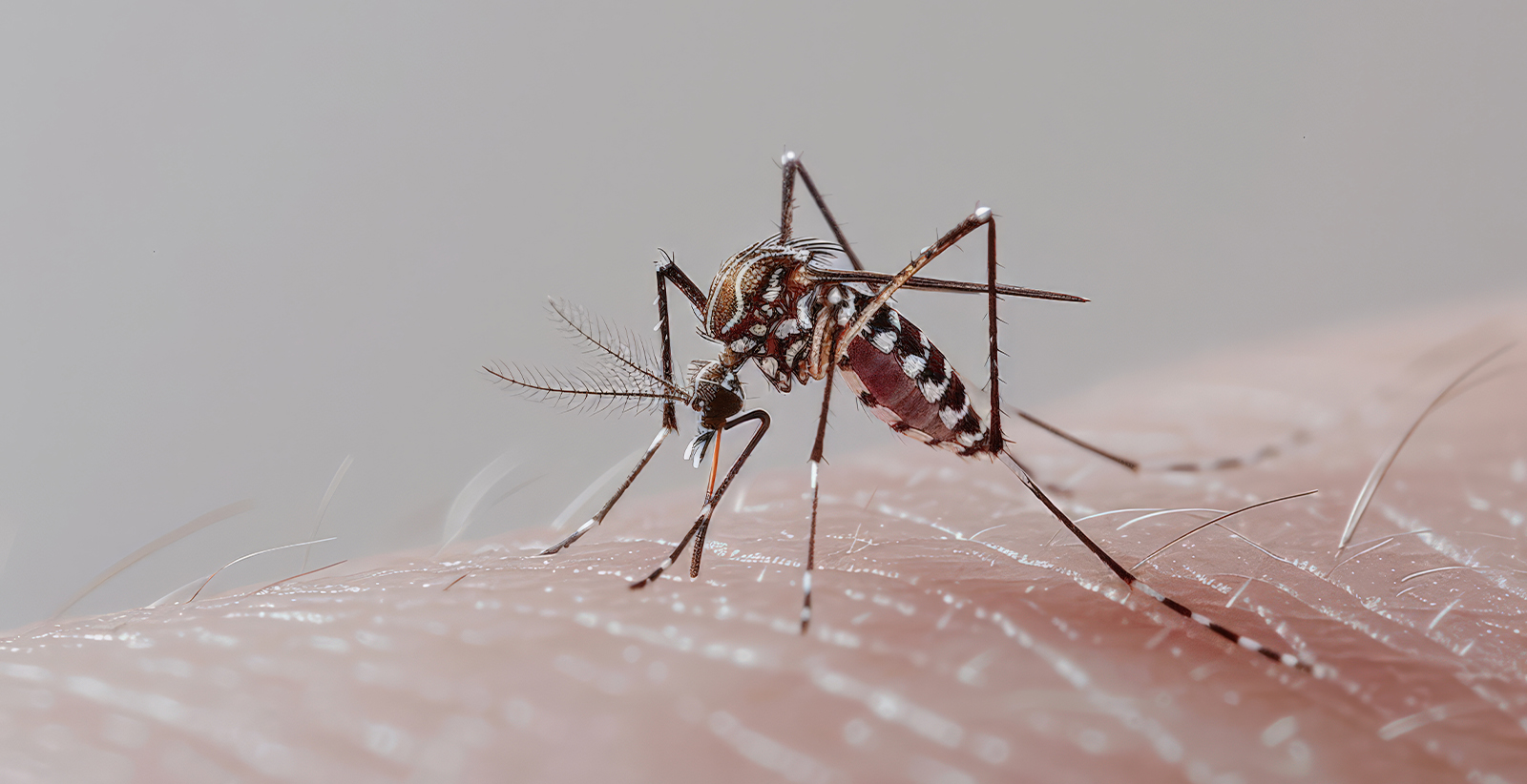
Doctor - Dengue fever is a type of infection caused by the bite of the Aedes aegypti mosquito. It occurs in many parts of the world, especially in the tropical regions, Africa, and Southeast Asia. In Myanmar, it occurs annually though the severity may vary from year to year. In some cases, it ends as the normal flu whereas, in some, it reaches the level of severe dengue hemorrhagic fever, causing the blood vessels to be damaged, platelets to be decreased in the body, and leading to the hemorrhage and the drop of blood pressure and the occurrence of shock, which is very scary.
Patient - What are the symptoms?
Doctor: Many recover without showing any symptoms. Some people develop common flu-like symptoms within 3 to 10 days after being bitten by the mosquito. What's special about Dengue is that children often get sick for about 1 week. The fever is often very high, reaching as high as 104 degrees Fahrenheit. If a child is very sick and has any of the symptoms mentioned below, you should be aware of dengue fever. These symptoms may include intense headaches, pain around the eyes, muscle and joint pain, nausea, the appearance of petechiae, and red spots over the body. If a child is very sick with a high fever, and if the antipyretic medication can suppress the fever just for a while and it rises again alongside fatigue and weakness, you need to be careful about dengue fever. Minor flu-like illnesses are not very severe. Thus, the warning signs to be observed include: a sudden drop of fever on 3rd or 4th day from the onset, despite the relief of fever, the child is not alert with his limbs as cold as ice, intense right upper quadrant abdominal pain, persistent vomiting, containing blood or coffee-ground color in the vomitus, passing black stool, reduced urine output, difficult breathing and restlessness. If these warning signs develop, it is a very serious dengue fever. The child should be treated at the nearest hospital immediately.
Patient: Yes, Sir. So, Dengue is still worrisome even if the fever goes down?
Doctor: Of course. You should be careful especially if it happens to children. You can't just be reassured with the drop of fever. In case of severe dengue fever, it should be very cautious when the fever goes down. To put it simply, dengue fever has four stages. Stage (1) is just a normal fever and no signs of bleeding. The only sign is that if the doctor does a test called the Hess test with a blood pressure measuring device, there is the appearance of petechiae (small red spots). Many will recover on their own at this stage. If it has become stage (2), signs of bleeding often appear in the body. For example, bleeding from the nose, spontaneous appearance of red spots (petechiae) on the skin, and gum bleeding often occur. Stage (3) is the stage of shock. A sudden drop in blood pressure often leads to shock. This stage is especially seen on 3rd or 4th day when fever tends to subside. If it progresses to stage (4), the blood pressure can no longer be measured completely, and it has become a life-threatening situation.
Patient: Yes, it's very scary. So, may I know how we can check for the presence of dengue virus?
Doctor - The doctor will take the patient's medical history. If dengue is suspected, a blood test is usually done on the 3rd day of fever. Dengue virus can be detected by the blood test. Tests to check for blood coagulation and other necessary tests will also need to be done. There is no specific treatment for dengue fever. If a child gets a shock, an infusion of normal saline or plasma needs to be done, and if there is any internal bleeding, a blood transfusion may be needed. The child should be strictly observed and taken care of to be treated as necessary over time.
Patient: Yes, Dr. Can you also tell me the ways to prevent Dengue infection?
Doctor - Dengue fever is a disease caused by mosquito bites, so we must protect ourselves from being bitten by mosquitoes. Since Aedes mosquitoes are active and bite especially at daytimes, it is important to let the children sleep with mosquito-net in the afternoon. Mosquito repellent should also be applied. Since Aedes mosquitoes tend to breed in clear water, you should follow those 11 measures that prevent mosquito breeding which include: covering the water storage tanks, discarding the left-over water, applying abate to remove the larvae of mosquitoes, proper filtering of water, pouring diesel to kill the larvae, using the mosquito-net during the day-time sleep, changing the water in the vase every day, opening the windows in the day-time to get adequate lighting, burying the garbage, clearing up the worn tires which can retain water, applying outdoor residual spraying to remove mosquitoes in the neighborhood. Nowadays, Dengue vaccines are also available in the market, so if possible, the child should get vaccinated as well.
Patient: If a child has had Dengue once in his lifetime, can it happen to him again, Dr?
DOCTOR: Still possible. There are 4 types of Aedes mosquitoes. For example, if Dengue caused by type (1) mosquito has occurred this year, it is still possible to get Dengue that is caused by type (2) and (3) the next year. So it is safer to get vaccinated if you can.
Patient - How often should a child get the dengue vaccine, Dr.
Doctor - There are 2 types. The first Vaccine, Dengavaxia, can be given to children and young people between the ages of 9 years and 16 years. But it can only be given to those who have had Dengue before, so it's not very convenient. The new Vaccine, QDENGA is more convenient and is currently being injected in other countries. It can be given from 4 years old to 60 years old. 2 injections should be given 3 months apart. It can be given to anyone regardless of the previous Dengue status (whether the child has had a previous history of Dengue Fever or not, he can receive QDENGA). Prevention can be up to 80 percent, so if possible, it is better to get vaccinated. What else do you want to know?
Patient - Not anymore, Dr. Thank you for the opportunity to have a thorough understanding.
Doctor – My pleasure.